
What do you want to know first?
What kind of strategy do you prefer?
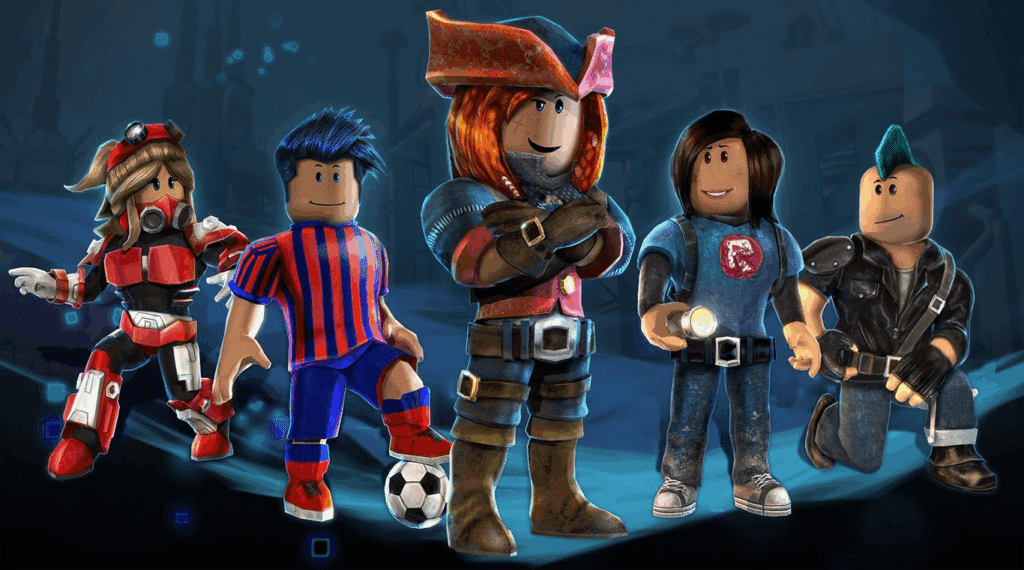
In a landscape where pop culture and technology intertwine in increasingly complex ways, Roblox emerges not just as a game, but as a digital ecosystem that has redefined how millions of people interact, learn, and even build their own realities. From its inconspicuous inception to its global colossus, Roblox's journey is a fascinating story of innovation, community, and, above all, limitless creativity.
The Humble Origins of a Giant
To understand Roblox's impactful present, it's crucial to go back in time to its roots. Officially launched in 2006, but with development beginning years earlier, Roblox didn't begin with the pomp and glamour many associate with AAA game releases. Its founders, David Baszucki and Erik Cassel, had a very particular vision: to create a platform where users could not only play games, but also design their own worlds and experiences. Initially called "DynaBlocks"—a name evocative of dynamic blocks and construction—the platform was renamed Roblox in 2005, a clever fusion of "robots" and "blocks," perfectly encapsulating the essence of programming and construction.
In its early years, Roblox was a modest but fervent community. Its graphics were simple, and the creation tools, while revolutionary, required a certain degree of technical knowledge. However, it was this initial barrier that cultivated a passionate and dedicated user base, eager to experience the endless possibilities the platform offered. It wasn't about cutting-edge graphics, but about the freedom to create and share.
The User-Generated Content (UGC) Revolution
The true genius behind Roblox's massive success lies in its User-Generated Content (UGC) model. Rather than a core team of developers creating all the game's content, Roblox empowered its community to be the driving force behind its ever-expanding universe. Intuitive tools like Roblox Studio were made available for free, allowing anyone with an idea—from schoolchildren to experienced developers—to build their own game, social experience, or even a virtual item.
This democratization of creation has had a ripple effect. Suddenly, the number of available "games" (or as Roblox prefers to call them, "experiences") has exploded. The diversity is mind-boggling: from job simulators like "Work at a Pizza Place" to RPG adventures, from amusement parks to horror games, from educational experiences to combat arenas—there's literally something for everyone. This vastness of content not only keeps players engaged but also constantly attracts new audiences, ensuring that Roblox remains fresh and relevant.
A Virtual Economy of Millions
Perhaps one of the most fascinating and impactful aspects of Roblox is its robust economy, powered by "Robux," the platform's virtual currency. Robux can be purchased with real money and, crucially, can be earned by creators who sell their games, game passes, or virtual items. Most remarkably, developers can convert their earned Robux into real money through Roblox's Developer Exchange (DevEx) program.
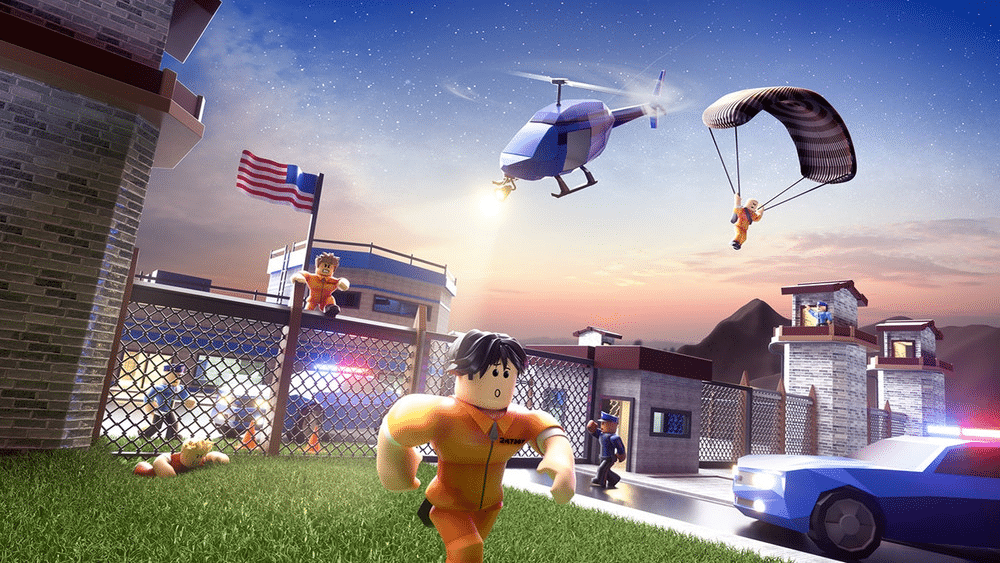
This isn't just a curiosity; it's a revolution. Roblox has created an ecosystem where creativity is meaningfully monetized. Success stories abound: teenagers who paid for college with the profits from their games, independent studios that were born and thrived within Roblox, and even developers who became millionaires. This economic opportunity not only encourages the creation of high-quality content but also teaches valuable lessons about entrepreneurship, game design, and marketing to a younger generation. The impact of this economy extends beyond the platform, influencing how we think about work, leisure, and the value of creativity in the 21st century.
Community, Socialization, and the Metaverse
Long before the term “metaverse” became a buzzword, Roblox was already building one. The platform isn’t just a place to play; it’s a vibrant social space where friends meet, chat, collaborate, and explore together. Customizable avatars, chat options, and the ability to easily jump from one experience to another create a sense of presence and connection that transcends traditional gameplay.
Virtual events, such as concerts by famous artists (Lil Nas X and Twenty One Pilots have both delivered breathtaking performances on Roblox), product launches by major brands, and seasonal celebrations, demonstrate Roblox's potential as a cultural hub. It has become a space where digital and real life intertwine in meaningful ways, offering new forms of interaction and entertainment that go far beyond the confines of a video game console.
The Unlimited Future of Roblox
As Roblox continues to evolve, its ambitions grow. The company is investing in cutting-edge technology, such as improved graphics, more sophisticated development tools, and augmented and virtual reality features, which promise to take immersion to a new level. Education is also a growing focus, with Roblox being used as a tool to teach coding, design, and other STEAM skills in an engaging and interactive way.
Roblox's greatest strength has always been its community. By empowering users to be creators, innovators, and entrepreneurs, the platform has ensured its longevity and relevance in an ever-changing digital landscape. It's not just a game; it's an ever-expanding universe, shaped by the minds of millions, where the only limitation is imagination. Roblox isn't just a glimpse into the future of digital entertainment; it's actively building that future, one brick at a time.